.svg)
How Diesel Diagnostics Help Find Engine Problems Before Major Failure
Small diesel engine problems often leave electronic, electrical, temperature, or performance clues long before a breakdown. Diesel diagnostics help technicians connect those clues, test the right systems, and address developing faults before they cause extensive engine damage.
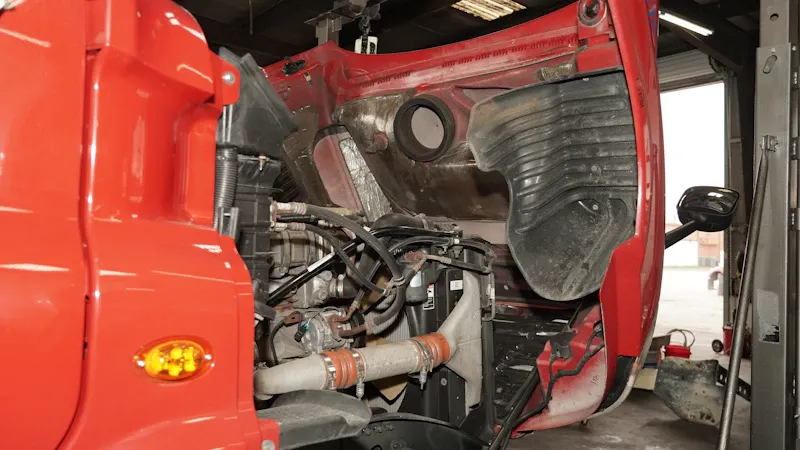
A check-engine light may appear while your truck still pulls normally. A hard start may disappear once the engine warms up. Those small changes can be early warnings of a developing engine problem, and diesel diagnostics help technicians identify what is actually causing them before the failure becomes much more expensive.
For trucks operating around Odessa and the Permian Basin, early diesel diagnostics and electrical repair can help separate a minor sensor, wiring, fuel, cooling, or charging problem from a condition that threatens the engine itself.
How Do Diesel Diagnostics Find Engine Problems?
Modern diesel engines rely on an engine control module, sensors, wiring, fuel controls, and emissions systems to monitor and manage operation. Diagnostic equipment lets a technician read fault information and review operating data produced by those systems.
The scan itself does not automatically identify the failed component. A diagnostic trouble code points technicians toward a circuit, operating condition, or system that requires further testing.
A proper diagnostic process may include:
- Reading active, inactive, and pending diagnostic trouble codes
- Reviewing live engine data while the truck runs
- Comparing sensor readings with expected operating conditions
- Testing batteries, charging output, circuits, grounds, and connectors
- Checking fuel delivery and injection-related data
- Reviewing cooling system temperatures and operating trends
- Inspecting aftertreatment readings when emissions faults appear
- Performing mechanical tests when electronic data suggests an internal problem
The goal is to narrow the problem logically instead of replacing parts based on a warning light alone.
Why Are Diagnostic Trouble Codes Only the Starting Point?
A fault code tells you where the ECM detected something outside its expected range. It does not always tell you why that condition occurred.
For example, an abnormal sensor reading could come from the sensor itself, damaged wiring, poor electrical connections, or an actual mechanical condition. Replacing the sensor without testing the circuit may leave the original problem untouched.
That distinction matters because today’s trucks contain increasingly interconnected advanced diagnostic systems. One underlying fault can sometimes create several codes across related systems.
Technicians use those codes as clues. They then verify the failure through testing before recommending a repair.
What Engine Problems Can Diagnostics Catch Early?
Many developing failures produce warning signs before they cause major engine damage. Those signs may appear electronically, mechanically, or through changes in everyday operation.
Fuel System Problems
Poor fuel delivery can cause hard starting, hesitation, rough operation, power loss, or stalling. Diagnostic data can help a technician determine whether the engine is receiving the fuel pressure and injection performance it expects.
Finding a fuel system fault early matters because proper combustion depends on controlled fuel delivery. Continuing to operate a truck with a worsening fuel problem can increase downtime and make troubleshooting more complicated.
Cooling System Problems
Engine temperature deserves attention, especially during heavy hauling and hot West Texas weather. A cooling problem may involve coolant flow, the water pump, radiator performance, fan clutch operation, or another part of the system.
Temperature data can expose an abnormal trend before the truck reaches a severe overheating event. Repeated overheating deserves particular attention because continued excessive heat can lead to extensive engine damage and, in some cases, symptoms associated with an engine rebuild after overheating.
Electrical System Faults
Weak batteries, charging problems, corroded connections, damaged wiring, and poor grounds can cause symptoms that look like larger engine problems.
The alternator supplies electrical power while the engine runs and helps recharge the batteries. Problems in the starting and charging system can therefore cause hard starts, intermittent warning lights, low voltage, communication faults, and other confusing symptoms.
Consistent electrical maintenance practices can also reduce the number of avoidable electrical issues that interrupt truck operation.
Sensor and ECM-Related Problems
Sensors constantly report information such as temperature, pressure, speed, and other operating conditions. The ECM uses that information to manage engine operation.
A failed sensor or damaged circuit can supply inaccurate data. A technician can compare sensor data analysis with known operating conditions to determine if the reading makes sense before condemning a component.
What Warning Signs Should Lead to Diagnostic Testing?
Your truck does not have to stop running before diagnostic testing makes sense. In fact, early testing is often most useful while the symptoms are still intermittent.
Schedule testing if you notice:
- A check-engine or engine warning light
- Longer cranking or repeated hard starts
- Rough idle or inconsistent engine operation
- Unexpected loss of power
- Frequent derates
- Unusual fuel consumption
- Intermittent electrical problems
- Abnormal temperature readings
- Repeated overheating
- Stalling or hesitation
- Multiple warning lights appearing together
A truck that still moves can still have a serious developing problem. Ignoring repeated symptoms gives the fault more time to worsen.
How Does Live Engine Data Help Prevent Larger Repairs?
Fault codes record detected problems, but live engine data shows what the truck is doing during actual operation. A technician can watch measurements change at idle, under load, during startup, or while recreating a specific complaint.
That information can reveal patterns a static inspection may miss. A temperature reading that rises unexpectedly, unstable voltage, or an implausible sensor value may direct testing toward the correct system.
Recorded operating information can also help with intermittent issues. That becomes valuable when the truck behaves normally once it arrives at the shop.
Why Does Electrical Testing Matter During Engine Diagnosis?
Modern engine management depends heavily on stable electrical power and accurate signals. A damaged connector or excessive resistance in a circuit can change the information reaching the ECM.
That is why electrical diagnostics often include testing voltage, grounds, continuity, connectors, batteries, and charging performance. Technicians need to know that the electrical path works correctly before treating a code as proof that an expensive component has failed.
This approach can also prevent unnecessary parts replacement. Testing first gives you stronger evidence about what actually needs attention.
Can Diagnostics Identify Mechanical Engine Damage?
Electronic diagnostics can provide important evidence, but they cannot replace every mechanical test.
If operating data suggests low compression, excessive heat, oil-pressure problems, or another internal concern, technicians may need additional testing. Compression testing, leak-down testing, oil-pressure checks, cooling-system tests, or physical inspections may be required depending on the symptoms.
A good diesel engine diagnosis connects electronic information with mechanical evidence. Neither side should be considered in isolation when the symptoms suggest a larger engine problem.
How Can Odessa Truck Operators Reduce the Risk of Major Engine Failure?
Pay attention to changes in how the truck starts, runs, pulls, and maintains temperature. Those everyday observations give technicians useful information before testing begins.
Drivers and fleet managers around Odessa can also reduce risk by documenting fault messages and conditions when symptoms occur. Note the engine temperature, load, speed, weather, and whether the problem appeared during startup, idle, acceleration, or highway operation.
Preventive maintenance still matters, too. Regular oil and fluid checks, cooling-system inspections, brake evaluations, tire inspections, and software-related maintenance can help identify problems before they cause roadside downtime.
Catch Engine Problems While They Are Still Manageable
Diesel diagnostics give technicians a structured way to investigate warning lights, performance changes, electrical faults, temperature problems, and other developing concerns. Codes provide a starting point, while electrical tests, sensor data analysis, mechanical checks, and operating data help verify the actual cause.
If your truck is showing warning lights, hard-starting, losing power, overheating, or developing intermittent electrical problems in Odessa, TX, contact Regen Diesel Repair to schedule diagnostic testing before a smaller fault has time to become a major engine repair.
%20(1).webp)