.svg)
Diesel Roadside Assistance: What Services Can Be Done on the Shoulder?
A diesel truck breakdown on I-20, US-385, Loop 338, or a Permian Basin lease road can quickly become a safety hazard. Speeding traffic, narrow shoulders, and West Texas heat can worsen minor mechanical issues. Roadside diesel assistance can determine if repairs are possible on-site or if towing is safer.
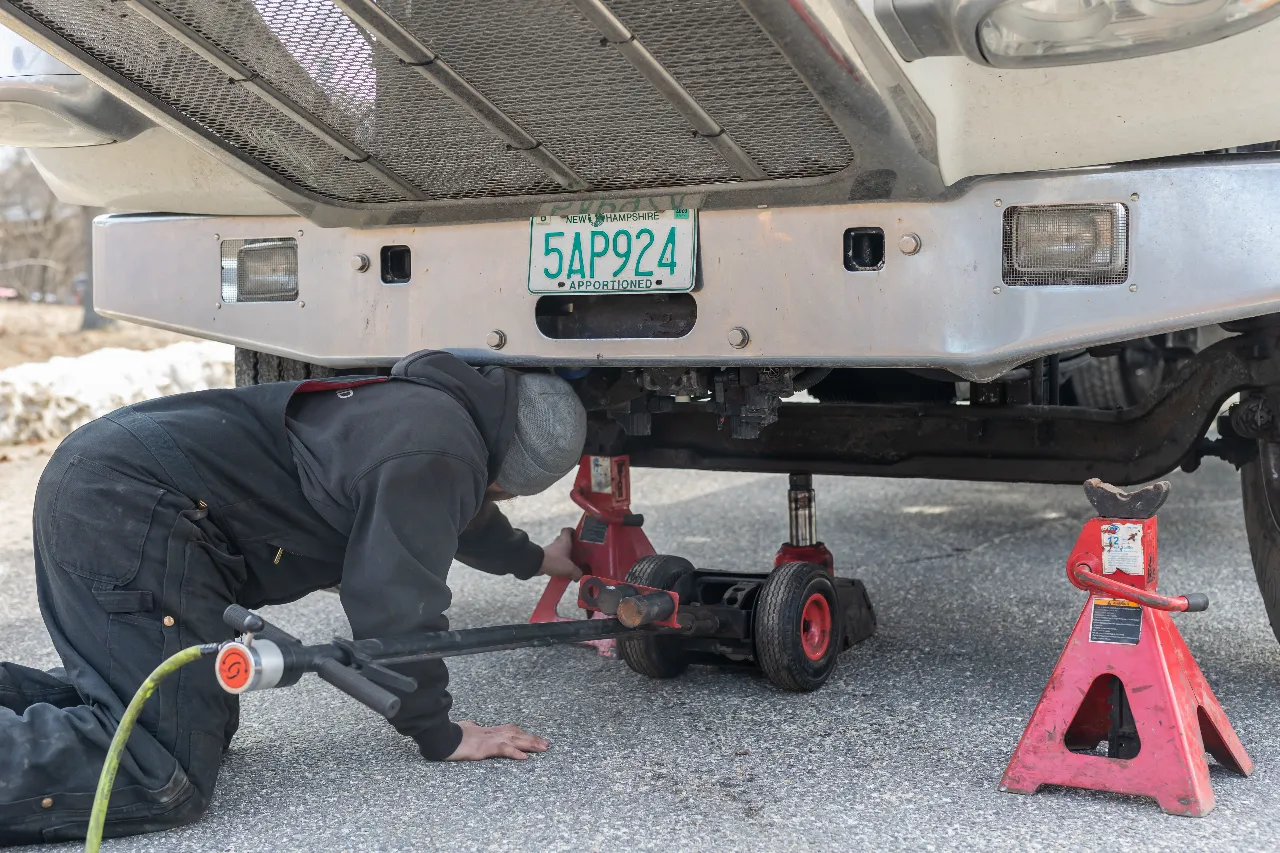
A diesel truck breakdown on I-20, US-385, Loop 338, or a Permian Basin lease road can quickly become a safety concern. Traffic is fast, shoulders narrow, and the West Texas heat can worsen small problems. When your truck can't continue safely, diesel roadside assistance helps decide if repairs can be made on-site or if towing is safer.
Not all repairs are safe on the shoulder. Many breakdowns can be diagnosed and fixed roadside if safe, the technician has the right tools, and the repair doesn't need an extensive teardown. For drivers and fleet managers in Odessa, TX, understanding this can reduce downtime and prevent damage.
What Roadside Diesel Assistance Includes
Roadside truck repair handles urgent breakdowns away from repair facilities, such as on highways, at truck stops, in yards, or on oil field roads. The aim is to identify the cause, perform safe repairs when possible, and quickly get the truck moving again without extra risk. Common calls include:
- No-start conditions
- Dead batteries
- Coolant leaks
- Overheating
- Tire failures
- Air leaks
- Fuel delivery problems
- Electrical faults
- Check engine lights
- Aftertreatment-related derates
A qualified technician considers safety first. Commercial drivers must also follow legal rules when stopping on a highway shoulder. Federal regulations require hazard signals and warning devices if a commercial vehicle stops on the road or shoulder for reasons other than normal traffic.
Jump-Starts, Batteries, And Charging System Checks
Battery and charging problems are common roadside repairs. Diesel engines require strong electrical power for cranking, fuel injection, and controls. Low voltage can cause slow cranking, failure to start, or electrical warnings. During breakdown assistance, technicians can often:
- Test battery voltage
- Inspect terminals and cables
- Clean or tighten loose connections
- Jump-start the truck
- Replace batteries when available
- Check alternator output
- Inspect visible belt or pulley issues
A jump-start may solve the immediate problem, but it should not be considered the final answer if the batteries repeatedly fail. In that case, the charging system, parasitic draw, starter circuit, or cable condition needs closer attention.
Fuel System Problems That Can Be Handled Roadside
Fuel delivery problems can suddenly stop a diesel truck, causing issues such as cranking but not starting, loss of power, stalling, or fault codes. Emergency roadside repairs include fuel filter changes, priming, leak checks, and fuel line inspections. If the problem involves contaminated fuel, a failed pump, damaged injectors, or system failure, the truck requires a shop visit.
For drivers operating around Odessa and along surrounding oilfield routes, this distinction matters. Dust, extended idle periods, high heat, and demanding duty cycles can place additional stress on filters, pumps, and fuel system components.
Cooling System Repairs And Overheating Concerns
Overheating must be addressed immediately. Driving with high coolant temperature can cause major engine damage. A diesel repair technician can inspect the coolant reservoir, radiator, hoses, clamps, belts, fan, and visible leaks. Roadside cooling system work may include:
- Adding coolant as needed
- Replacing damaged hoses
- Tightening loose clamps
- Identifying coolant leaks
- Inspecting the fan belt
- Checking for obvious radiator damage
Not every overheating issue can be fixed on the spot. Problems like a failed water pump, clogged radiator, engine internal issue, or significant coolant loss often require towing. If the engine temperature rises quickly or coolant is lost after adding, it's usually too risky to drive further.
Tire Failures And Wheel-End Safety
Tire problems often cause semi-truck roadside service. Factors like heat, heavy loads, road debris, improper inflation, and worn tread can lead to tire failure. Underinflation is particularly risky as it raises heat, accelerates wear, and can cause blowouts or loss of control. Roadside tire help may involve:
- Tire replacement
- Inflation support
- Valve stem inspection
- Tread damage checks
- Basic wheel-end visual inspection
A damaged tire shouldn't be driven “just a few more miles” without a technician's approval. Driving on a failed tire risks damaging wheels, suspension, mudflaps, brake lines, and body panels. If there's wheel bearing failure, smoke, metallic noise, or wheel movement, it becomes more serious and may require towing or professional repair.
Air Brake And Air System Concerns
Air brake problems require quick action. If air pressure doesn’t build, the warning activates, or there’s an audible leak, the truck shouldn't run until diagnosed. Roadside technicians can often inspect:
- Air lines
- Fittings
- Glad hands
- Brake chambers
- Air tanks
- Compressor-related symptoms
- Visible leaks
Some air leaks can be repaired on-site, while others cannot. If the braking system cannot maintain safe pressure, towing is the appropriate choice. Brake-related issues should never be treated as minor inconveniences.
Electrical Diagnostics And Sensor-Related Faults
Modern diesel trucks rely on electronic controls for engine performance, emissions, charging, lighting, and safety functions. A single wiring fault or sensor issue can cause reduced power, trigger warning lights, or result in a no-start condition.
Diesel diagnostics allow roadside technicians to scan fault codes, check warnings, test voltage, inspect connectors, and assess truck safety. Common repairs include replacing fuses, fixing connectors, tightening cables, inspecting grounds, and repairing lighting.
Aftertreatment issues, like SCR, DPF, DEF warnings, or sensor problems, can occur roadside. Some issues are identifiable, but deeper SCR, DPF, DEF, sensor, or software problems may require advanced diagnostics or shop service.
What Usually Should Not Be Repaired On The Shoulder
The shoulder is not a controlled repair environment. Even with skilled help, some repairs are too complex or unsafe for roadside work. These repairs typically require a shop:
- Internal engine repair
- Major transmission work
- Clutch replacement
- Differential rebuilds
- Severe wheel-end failures
- Major brake repairs
- Extensive aftertreatment repair
- Welding or fabrication
- Repairs requiring heavy lifting or teardown
A professional roadside assistance provider should clearly communicate what can and cannot be done safely. In many cases, the best roadside outcome is an accurate diagnosis, temporary stabilization when appropriate, and a safe towing plan.
How Drivers Should Prepare Before Help Arrives
When a breakdown occurs, the first priority is safety. Move as far from traffic as possible, turn on hazard lights, and place warning devices in accordance with applicable requirements. Stay aware of traffic and avoid standing between the truck and moving vehicles.
Before calling for heavy-duty truck repair, prepare the following information:
- Exact location or nearest mile marker
- Truck make, model, and engine
- Trailer type and load status
- Warning lights or fault messages
- Symptoms before the breakdown
- Whether air pressure, coolant temperature, or oil pressure changed
- Whether the truck is blocking traffic
Clear information helps the technician bring the right parts, tools, and diagnostic equipment.
Final Thoughts
Diesel roadside assistance can handle battery failures, minor fuel issues, coolant leaks, tire problems, air leaks, and basic electrical faults on the shoulder. Serious problems like brake failures, engine issues, overheating, and wheel damage usually need towing and shop repair. For drivers and fleets in Odessa, TX, roadside support ensures safety, minimizes downtime, and prevents small failures from becoming costly repairs.
Regen Diesel Repair offers practical roadside support and emergency services for your truck or fleet, helping you make the right decision.
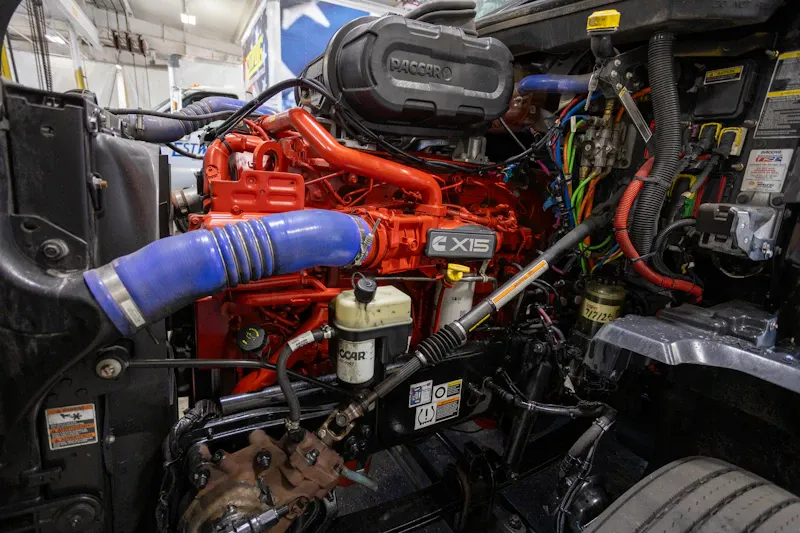
%20(1).webp)
.webp)