.svg)
Is Your Coolant System Ready for Another Odessa, TX Summer?
Odessa’s extreme summer temperatures can push your truck’s cooling system to its limits. Learn how to spot cooling system problems, prevent engine overheating, and keep your radiator, coolant, water pump, and fan clutch operating efficiently.
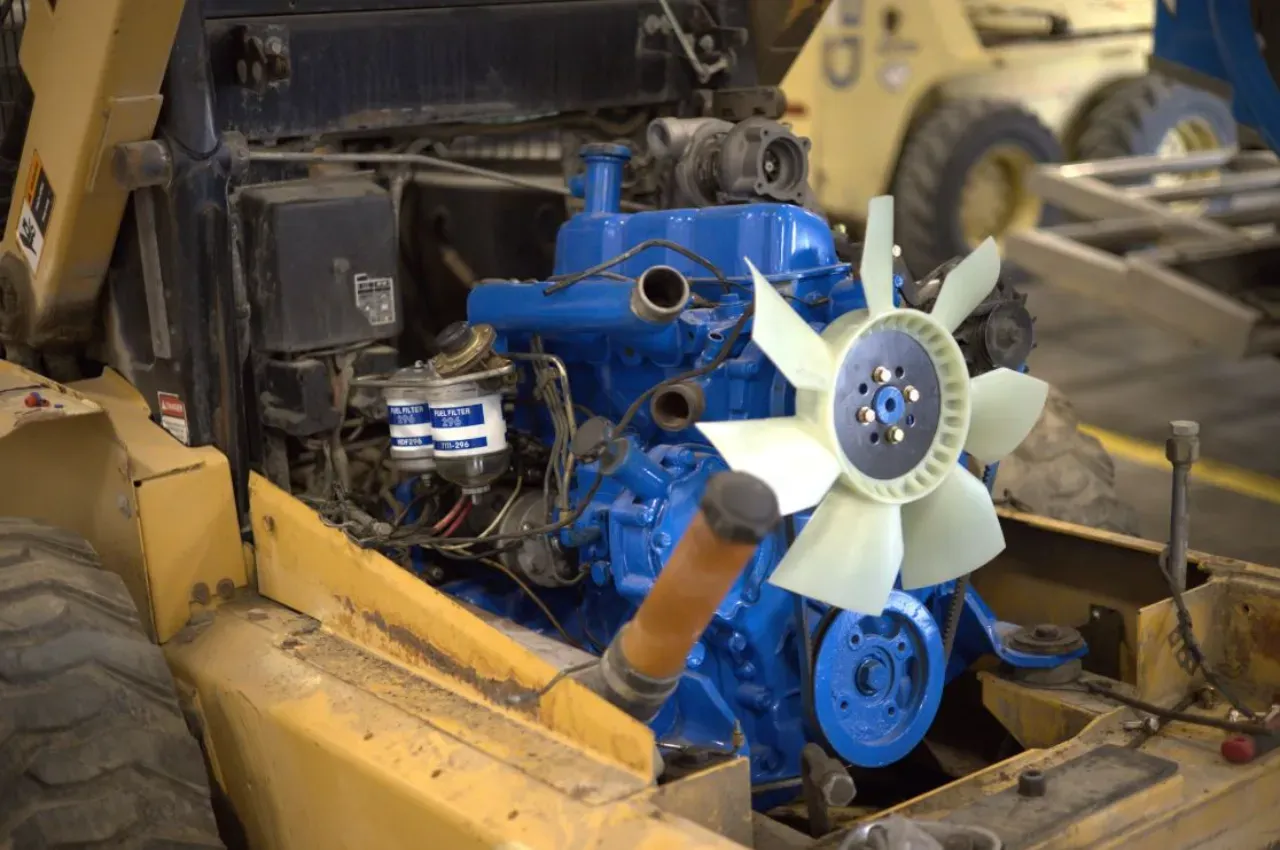
A heavy-duty truck’s coolant system prevents engine overheating by transferring heat away from the engine through the coolant, radiator, water pump, cooling fan, and fan clutch. This article explains how the system works, common causes of overheating, warning signs of cooling system failure, and maintenance practices that help improve reliability during Odessa, TX summers.
Signs Your Coolant System May Not Be Summer-Ready
Many cooling system failures provide warning signs before a complete breakdown occurs. The key is recognizing them early.
Rising Engine Temperatures
If your temperature gauge is creeping higher than normal, don't ignore it. Elevated engine temperatures often indicate restricted coolant flow, radiator issues, or cooling fan problems.
Coolant Leaks
Puddles under your truck are never a good sign. Even a slow leak can lower coolant levels enough to reduce the system's ability to absorb and dissipate heat effectively.
Watch for:
- Green, orange, red, or yellow fluid under the truck
- Low coolant warnings
- Frequent coolant top-offs
- Visible hose damage
Steam or Coolant Odours
Seeing steam from under the hood is an obvious sign of overheating. However, you may notice a sweet smell before temperatures become critical. That odour often indicates leaking coolant.
Frequent Fan Operation
Your fan clutch activates the cooling fan when additional airflow is needed through the radiator. If the fan seems to run constantly, your cooling system may be struggling to maintain proper temperatures.
The Biggest Summer Cooling System Threats
Not all cooling system failures are created equal. Several components are particularly vulnerable during Odessa's intense summer heat.
Radiator Problems
The radiator serves as the primary heat exchanger within your cooling system. Dirt, bugs, debris, and corrosion can restrict airflow and reduce cooling efficiency.
Common radiator issues include:
- Internal blockages
- External debris buildup
- Damaged cooling fins
- Leaking radiator cores
Even minor restrictions can significantly reduce cooling performance when ambient temperatures soar.
Worn-Out Coolant
Coolant doesn't last forever. Over time, exposure to heat breaks down its ability to absorb and transfer heat efficiently. As coolant degrades, it becomes less effective at protecting your engine from overheating.
Ignoring recommended coolant service intervals can leave your engine vulnerable during the hottest months of the year.
Water Pump Failure
The water pump circulates coolant throughout the engine and radiator. If it begins to fail, coolant flow decreases dramatically.
Potential symptoms include:
- Coolant leaks near the pump
- Overheating during heavy loads
- Grinding noises
- Temperature fluctuations
A failing water pump often gives some warning signs, but not always. That's why inspections are critical.
Faulty Fan Clutch
The fan clutch controls cooling fan engagement based on temperature conditions. If it fails, your radiator may not receive enough airflow during low-speed driving or stop-and-go traffic.
This is especially problematic for trucks operating in construction sites, oil fields, and urban traffic throughout Odessa.
How Preventive Maintenance Protects Your Engine
Waiting for cooling system problems to appear is a risky strategy. Instead, preventive maintenance helps identify issues before they lead to costly breakdowns.
Inspect Coolant Levels Regularly
Checking coolant levels should be part of every routine inspection. Low coolant levels can indicate leaks or other underlying problems.
Examine Hoses and Connections
Heat accelerates wear on hoses, clamps, and seals. Cracks, swelling, or soft spots can quickly turn into major leaks under pressure.
Clean the Radiator
A radiator covered in dirt, insects, or road debris cannot cool efficiently. Routine cleaning improves airflow and heat transfer performance.
Test Coolant Condition
Many truck owners focus on coolant quantity while overlooking coolant quality. Testing the coolant helps determine whether it's still providing adequate protection against heat and corrosion.
Schedule Cooling System Inspections
Professional cooling system inspections can identify:
- Weak water pumps
- Fan clutch issues
- Radiator restrictions
- Pressure leaks
- Coolant contamination
These inspections often cost far less than repairing an overheated engine.
What Happens If Your Truck Overheats?
An overheating engine is more than an inconvenience. Severe overheating can lead to catastrophic engine damage.
Potential consequences include:
- Blown head gaskets
- Cracked cylinder heads
- Damaged pistons
- Warped engine components
- Complete engine failure
Heavy-duty diesel engines are built tough, but extreme temperatures can still cause significant damage when cooling systems fail.
The cost of replacing an engine can easily reach tens of thousands of dollars. By comparison, cooling system maintenance is relatively inexpensive.
Cooling System Tips for Odessa Fleet Operators
Fleet managers face additional challenges during West Texas summers. A single overheating truck can disrupt schedules, delay deliveries, and increase operating costs.
To keep your fleet moving:
Create Seasonal Maintenance Schedules
Perform comprehensive cooling system inspections before summer arrives.
Track Temperature Trends
Modern telematics systems often monitor engine temperatures. Reviewing this data can help identify developing cooling system issues.
Train Drivers to Spot Early Warning Signs
Drivers are often the first to notice temperature changes, warning lights, or coolant odours. Encouraging prompt reporting can prevent minor issues from becoming major repairs.
Prioritize High-Mileage Units
Older trucks and high-mileage equipment are generally more susceptible to cooling system failures and should receive extra attention during summer inspections.
Don't Let Odessa Heat Catch You Off Guard
Odessa summers are tough on heavy-duty trucks. Between relentless heat, demanding workloads, and long operating hours, your coolant system works harder than ever to protect your engine.
By inspecting your radiator, monitoring coolant levels, testing your water pump, and ensuring your fan clutch operates properly, you can dramatically reduce the risk of overheating. A proactive approach today can help you avoid costly repairs tomorrow.
%20(1).webp)